Aortic Aneurysm
Life-Saving Treatment
Understanding Aortic Aneurysm
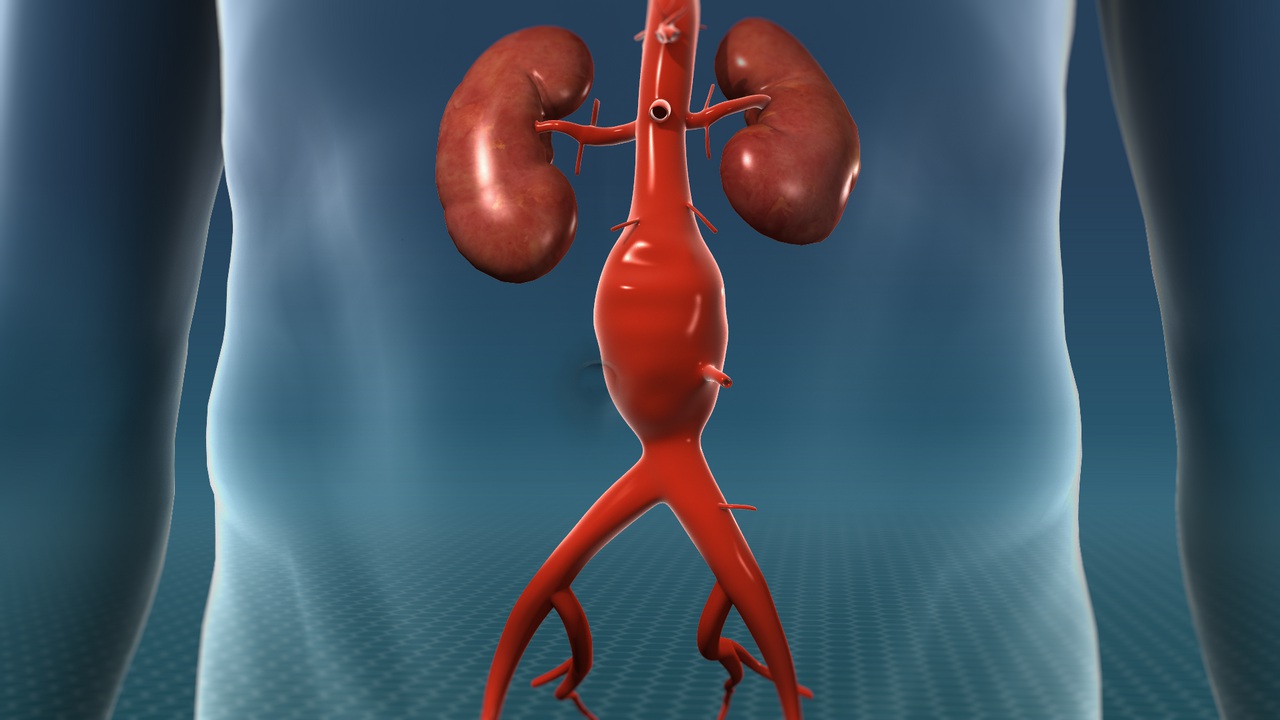
An aortic aneurysm is a serious vascular condition characterized by an abnormal bulge or "ballooning" in the wall of the aorta, the main artery that carries blood from your heart to the rest of your body. While it can develop anywhere along the aorta, it most commonly occurs in the abdominal region.
The primary danger of an aortic aneurysm is that it often grows silently without symptoms. If left undetected and untreated, the weakened wall can rupture, causing severe, life-threatening internal bleeding. At Ikigai Hospitals, our vascular specialists use advanced imaging to monitor aneurysms and offer minimally invasive, life-saving interventions to repair the artery before a rupture occurs.
Schedule a ScreeningWarning Signs & Symptoms
Aneurysms are often "silent" until they become large or rupture. If you experience any of the following, seek emergency medical care immediately:
- Sudden, Severe Pain: A sudden, intense, and persistent pain in your abdomen, back, or groin (a sign of potential rupture).
- Pulsating Sensation: A feeling of a heartbeat or pulse in your abdomen.
- Deep Abdominal Pain: Constant, deep pain in the abdomen or lower back that may radiate to the legs.
- Clammy Skin & Nausea: Signs of shock if the aneurysm has ruptured.
- Difficulty Swallowing or Breathing: If the aneurysm presses against the chest organs (thoracic aneurysm).
Causes & Risk Factors
Aortic aneurysms develop due to weakening of the aortic wall. Key risk factors include:
- Smoking: The most significant risk factor for developing and rupturing an aneurysm.
- High Blood Pressure: Hypertension puts constant stress on the aortic wall.
- Atherosclerosis: The buildup of plaque in the arteries weakens the vessel walls.
- Genetics & Age: A family history of aneurysms or being over the age of 65 increases your risk.
- Infections or Trauma: Rarely, infections or severe injuries can cause aneurysms.
Our Advanced Treatment Options
Treatment depends on the size, location, and growth rate of the aneurysm. Our specialists use advanced endovascular and surgical techniques to repair the aorta:
EVAR (Endovascular Aneurysm Repair)
A minimally invasive procedure where a stent-graft is inserted through a small incision in the groin and guided to the aneurysm. It reinforces the weakened aortic wall and reroutes blood flow, preventing rupture.
Open Surgical Repair
For larger or more complex aneurysms, open surgery may be required. The surgeon removes the damaged section of the aorta and replaces it with a synthetic graft.
Watchful Waiting
For small aneurysms that are not growing quickly, we may recommend a conservative approach involving regular ultrasound or CT scans, along with strict blood pressure and cholesterol management.
