
Gangrene
Emergency Vascular Care
Understanding Gangrene
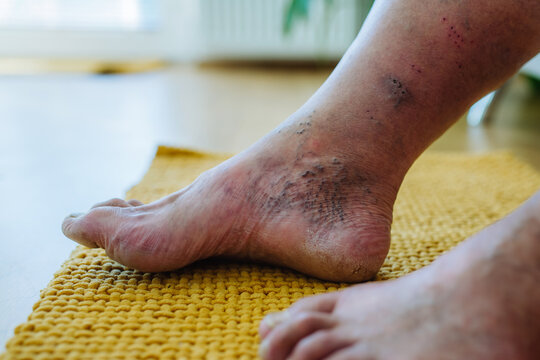
Gangrene is a severe and potentially life-threatening condition that occurs when body tissue dies due to a lack of blood supply or a serious bacterial infection. It most commonly affects the extremities, such as the toes, fingers, and limbs. Because gangrene can spread rapidly and lead to amputation or systemic infection (sepsis), it is considered a medical emergency that requires immediate vascular evaluation.
At Ikigai Hospitals, our vascular specialists are equipped to handle critical limb ischemia. Our primary goal is to restore blood flow to the affected area, remove the dead tissue, and prevent the spread of infection. We utilize advanced diagnostic imaging and surgical interventions to save limbs and preserve your quality of life.
Get Urgent CareWarning Signs & Symptoms
Gangrene symptoms can develop suddenly or gradually. It is crucial to seek medical attention immediately if you notice any of the following:
- Skin Discoloration: The skin may initially appear pale, then turn blue, purple, black, or bronze. It may also be warm and swollen early on, becoming cold and numb later.
- Severe Pain: A persistent, severe pain in the affected area, which may suddenly stop if nerve damage occurs.
- Foul Odor: A distinct, foul-smelling discharge from a sore or wound in the affected area.
- Skin Changes: The skin may become thin, shiny, and hairless, eventually feeling hard and dry.
- Systemic Symptoms: If the infection spreads, you may experience a fever, rapid heart rate, dizziness, or confusion.
Primary Causes
Gangrene is typically caused by a severe interruption in blood flow or a severe infection. Common underlying conditions include:
- Peripheral Artery Disease (PAD): A narrowing of the arteries that reduces blood flow to the limbs.
- Diabetes: High blood sugar can damage blood vessels and nerves, leading to poor circulation and diabetic foot ulcers, which are highly susceptible to gangrene.
- Severe Trauma: Crushing injuries, deep burns, or frostbite can cut off blood supply to tissues.
- Severe Infections: Untreated bacterial infections can cause tissue death (wet gangrene).
- Blood Clots: Deep vein thrombosis (DVT) or arterial blockages can severely restrict blood flow.
Our Treatment Approach
Treating gangrene requires a comprehensive, multidisciplinary approach. The treatment plan depends on the type of gangrene and its severity. Our vascular team focuses on limb salvage and infection control:
Revascularization
Restoring blood flow is critical. We use advanced endovascular techniques like angioplasty and stenting, or surgical bypass, to open blocked arteries and bring oxygen-rich blood back to the dying tissue.
Surgical Debridement
Dead and infected tissue must be surgically removed to prevent the infection from spreading further into healthy tissue or the bloodstream. This is often a critical first step.
Antibiotic Therapy
For wet gangrene (caused by infection), aggressive intravenous (IV) antibiotic therapy is administered immediately to fight the bacteria and prevent life-threatening sepsis.
