Deep Vein Thrombosis
Clot Management
Understanding Deep Vein Thrombosis
Deep Vein Thrombosis (DVT) is a serious medical condition that occurs when a blood clot (thrombus) forms in one or more of the deep veins in your body, usually in the legs. This can cause leg pain or swelling, but it can also occur without any noticeable symptoms.
The most serious complication of DVT is a pulmonary embolism. This happens when a blood clot breaks loose, travels through the bloodstream, and lodges in the lungs, blocking blood flow. This is a life-threatening emergency. At Ikigai Hospitals, our vascular specialists use advanced diagnostic tools to quickly identify DVT and provide immediate, targeted treatments to dissolve or remove the clot and prevent dangerous complications.
Get Immediate CareWarning Signs & Symptoms
DVT symptoms can vary, and half of the people with DVT may not experience any symptoms. When symptoms do occur, they usually appear in the affected leg:
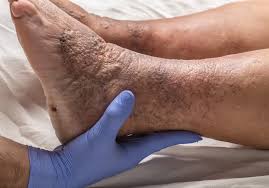
- Swelling: Noticeable swelling in your calf, ankle, or foot, often on one side only.
- Pain: Cramping, throbbing, or a charley horse-like pain in the affected leg.
- Color Changes: Red, dark, or blue discoloration of the skin on the leg.
- Warmth: The affected area feels abnormally warm to the touch.
- Tenderness: The skin feels tender or painful when standing or walking.
*If you experience sudden shortness of breath, chest pain, or dizziness, seek emergency medical help immediately, as these are signs of a pulmonary embolism.
Causes & Risk Factors
DVT is often caused by conditions that prevent blood from flowing or clotting normally. Major risk factors include:
- Prolonged Immobility: Sitting for long periods, such as during long flights or bed rest after surgery.
- Recent Surgery or Injury: Especially orthopedic surgery like hip or knee replacement.
- Medical Conditions: Cancer, heart failure, inflammatory bowel disease, or a history of DVT.
- Age and Weight: Being over 60 or significantly overweight increases the risk.
- Genetics: Inherited blood clotting disorders can make you more susceptible.
Our Advanced Treatment Options
Our goal is to prevent the clot from growing, prevent a pulmonary embolism, and reduce the risk of post-thrombotic syndrome (long-term swelling and pain). We offer:
Anticoagulant Therapy
Blood thinners are the primary treatment for DVT. They prevent the clot from growing and reduce the risk of new clots forming while your body naturally dissolves the existing clot.
Catheter-Directed Thrombolysis
For large or severe clots, we use a minimally invasive procedure where clot-dissolving medication is delivered directly to the clot through a catheter, rapidly restoring blood flow.
IVC Filter Placement
If you cannot take blood thinners, a small device called an Inferior Vena Cava (IVC) filter may be placed in a large vein in your abdomen to catch blood clots and prevent them from reaching your lungs.
