Carotid Artery Disease
Stroke Prevention
Understanding Carotid Artery Disease
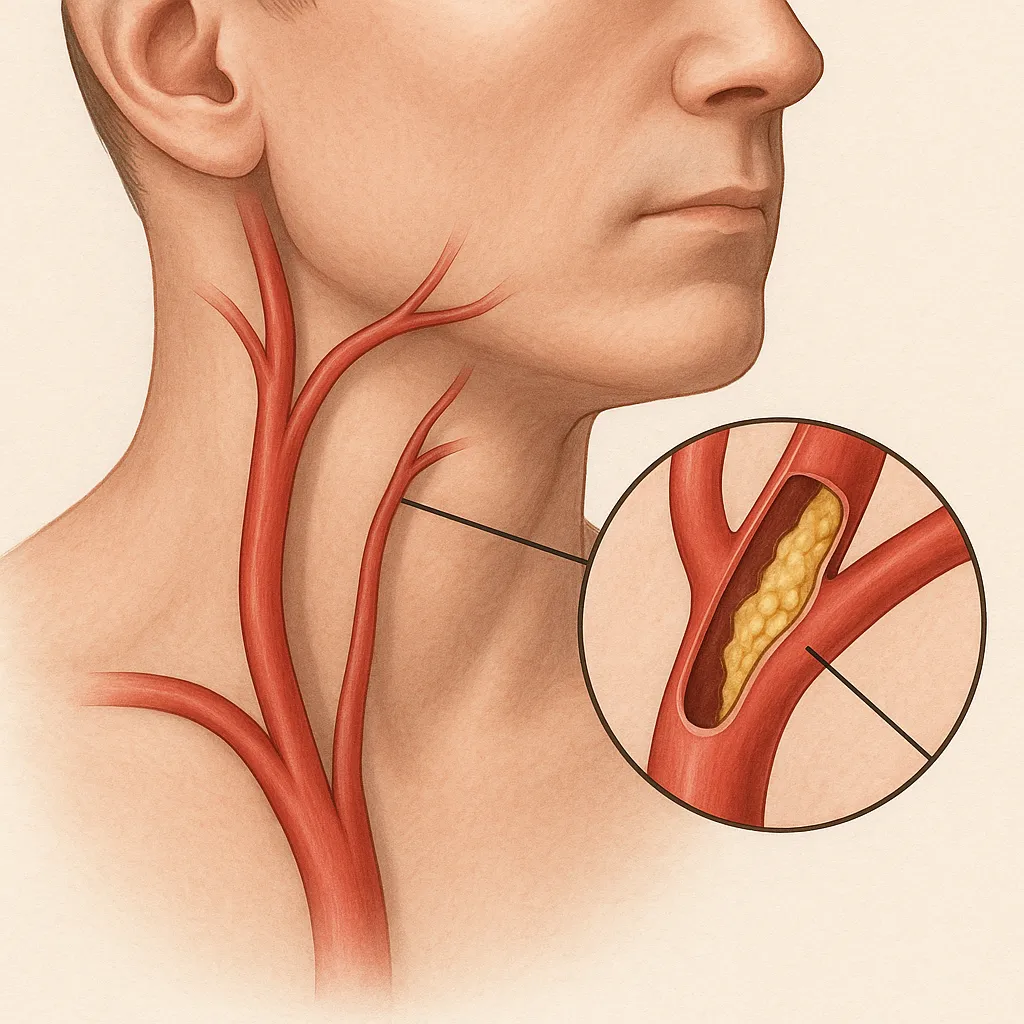
Carotid Artery Disease (CAD) occurs when the carotid arteries—the two large blood vessels on each side of your neck that supply oxygen-rich blood to your brain—become narrowed or blocked. This narrowing is usually caused by a buildup of fatty deposits called plaque (atherosclerosis).
If a piece of plaque or a blood clot breaks loose and travels to the brain, it can cause a stroke. Because Carotid Artery Disease often develops silently, it is a major risk factor for stroke. At Ikigai Hospitals, our vascular experts use advanced ultrasound and imaging to detect blockages early and provide minimally invasive treatments to restore blood flow and significantly reduce your risk of a stroke.
Book a Vascular ScreeningWarning Signs & Symptoms
In its early stages, Carotid Artery Disease may not present any symptoms. However, you should seek emergency care immediately if you experience a "TIA" (Transient Ischemic Attack) or "mini-stroke," which includes:
- Sudden Weakness or Numbness: Typically affecting one side of the body (arm, leg, or face).
- Speech Difficulty: Sudden trouble speaking, slurring words, or difficulty understanding what others are saying.
- Vision Problems: Sudden loss of vision or blurred vision in one or both eyes.
- Dizziness or Loss of Balance: Sudden onset of vertigo or difficulty walking.
- Severe Headache: A sudden, severe headache with no known cause.
Causes & Risk Factors
The primary cause of Carotid Artery Disease is the buildup of plaque. Factors that increase your risk include:
- High Blood Pressure: Hypertension damages the artery walls, making them more susceptible to plaque buildup.
- Smoking: Tobacco use significantly accelerates the narrowing of the arteries.
- High Cholesterol: Elevated levels of LDL ("bad") cholesterol contribute to plaque formation.
- Diabetes: High blood sugar can damage blood vessels and increase the risk of atherosclerosis.
- Age & Family History: The risk increases as you age, especially if you have a family history of cardiovascular disease.
Our Advanced Treatment Options
If a significant blockage is detected, our vascular specialists may recommend interventions to prevent a stroke. We offer advanced, minimally invasive procedures alongside lifestyle modifications:
Carotid Endarterectomy
This is a surgical procedure to remove the plaque from the inner wall of the carotid artery. It is highly effective for severe blockages and significantly reduces the risk of future strokes.
Carotid Stenting
A minimally invasive alternative where a tiny catheter is guided to the narrowed artery. A small balloon is inflated to widen it, and a stent (mesh tube) is placed to keep the artery open permanently.
Medical Management
For mild blockages, we prescribe medications (like blood thinners and statins) and focus on aggressive lifestyle changes, including diet, exercise, and blood pressure control to prevent disease progression.
