Peripheral Artery Disease
Improving Blood Flow
Understanding Peripheral Artery Disease
Peripheral Artery Disease (PAD) is a common circulatory problem in which narrowed arteries reduce blood flow to your limbs. When you develop PAD, your extremities—usually your legs—don't receive enough blood flow to keep up with demand. This can cause leg pain when walking (claudication) and other severe symptoms.
PAD is often a sign of a widespread accumulation of fatty deposits in your arteries (atherosclerosis). This condition may be reducing blood flow to your heart and brain, as well as your legs. At Ikigai Hospitals, our vascular experts use advanced diagnostic imaging and minimally invasive procedures to restore circulation, relieve pain, and prevent serious complications like limb amputation.
Consult a Vascular SpecialistCommon Symptoms
While many people with PAD have mild or no symptoms, it's important to watch for these warning signs:
- Claudication: Painful cramping in your hip, thigh, or calf muscles after certain activities, such as walking or climbing stairs.
- Leg Numbness or Weakness: A feeling of heaviness or fatigue in the legs.
- Coldness: The lower leg or foot may feel noticeably colder than the other side.
- Hair Loss & Slow Nail Growth: Reduced blood flow can cause the skin to look shiny and hair to fall out on the legs and feet.
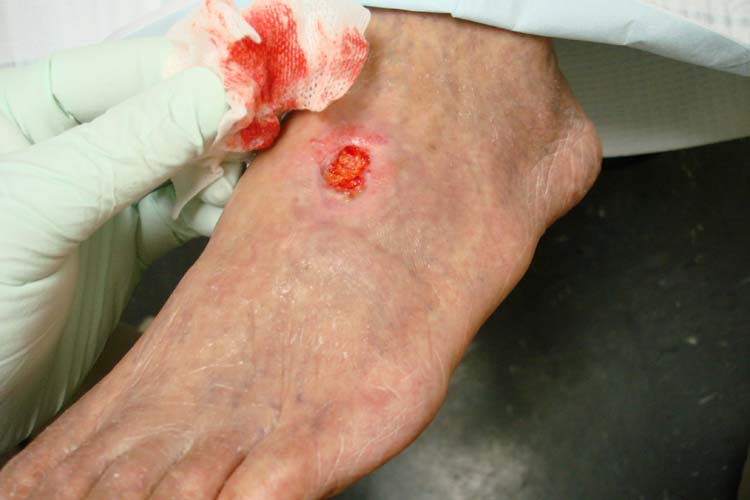
- Non-Healing Sores: Ulcers on your toes, feet, or legs that do not heal.
Causes & Risk Factors
PAD is primarily caused by atherosclerosis, a buildup of plaque in the arteries. Several factors increase your risk:
- Smoking: This is one of the most significant risk factors for developing PAD.
- Diabetes: High blood sugar damages blood vessels and increases the risk of plaque buildup.
- High Cholesterol & Blood Pressure: These conditions accelerate the narrowing of arteries.
- Age: The risk increases significantly after age 50.
- Obesity: Excess weight puts additional strain on the cardiovascular system.
Our Treatment Approach
Treatment for PAD aims to reduce symptoms, improve quality of life, and prevent heart attack, stroke, and limb loss. Our specialists often recommend a combination of lifestyle changes and advanced medical interventions:
Angioplasty & Stenting
A minimally invasive procedure where a tiny balloon is inflated inside the narrowed artery to widen it, often followed by placing a small wire mesh tube (stent) to keep the artery open.
Atherectomy
A specialized catheter with a tiny blade is used to shave away plaque from the walls of the artery, restoring blood flow without the need for a stent.
Bypass Surgery
In more severe cases, a blood vessel from another part of your body or a synthetic tube is used to create a new path around the blocked artery.
