
Diabetic Foot
Advanced Wound Care
Understanding Diabetic Foot
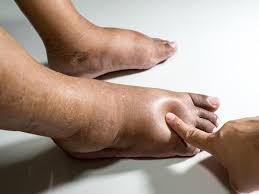
Diabetic foot complications are a serious concern for individuals living with diabetes. Prolonged high blood sugar levels can cause nerve damage (neuropathy) and poor blood circulation (peripheral artery disease). This combination makes the feet highly vulnerable to injuries, infections, and slow-healing ulcers. Because many patients lose sensation in their feet, minor cuts or blisters can go unnoticed and rapidly develop into severe, non-healing wounds.
At Ikigai Hospitals, we take a comprehensive, multidisciplinary approach to diabetic foot care. Our vascular specialists focus on restoring blood flow to the affected limb while providing advanced wound management to promote rapid healing and prevent the risk of amputation. Early intervention is the key to saving your limb and maintaining mobility.
Book Wound ConsultationWarning Signs & Symptoms
If you have diabetes, daily foot inspections are crucial. Seek immediate medical care if you notice any of the following:
- Non-Healing Sores: Ulcers, blisters, or cuts that do not heal within a few days.
- Changes in Skin Color: Redness, blackening, or unusual warmth around a wound.
- Foul Odor: A bad smell coming from a foot wound, indicating potential infection.
- Loss of Sensation: Numbness, tingling, or a burning sensation in the feet (neuropathy).
- Severe Pain: While some neuropathy causes numbness, severe pain in the leg or foot, especially at rest, can indicate a lack of blood flow.
Why Does It Happen?
Diabetic foot issues arise from a combination of factors that compromise the foot's integrity:
- Peripheral Neuropathy: Nerve damage causes a loss of feeling in the feet, making it difficult to detect pain, heat, or cold.
- Poor Circulation: High blood sugar narrows blood vessels, reducing oxygen and nutrient delivery to the feet, which slows healing.
- Foot Deformities: Conditions like Charcot foot or bunions can cause abnormal pressure points, leading to ulcers.
- Infections: High glucose levels weaken the immune system, making it harder for the body to fight off bacterial infections.
Our Advanced Treatment Options
Our goal is to heal the wound, restore function, and prevent amputation through a combination of specialized therapies:
Advanced Wound Care
We use specialized debridement techniques to remove dead tissue, along with advanced dressings and offloading techniques to take pressure off the wound and accelerate healing.
Vascular Intervention
If poor circulation is preventing healing, we perform minimally invasive procedures like angioplasty or stenting to open blocked arteries and restore vital blood flow to the foot.
Infection Management
If an infection is present, we administer targeted IV antibiotic therapy. In severe cases, surgical drainage or removal of infected bone (osteomyelitis) may be required.
